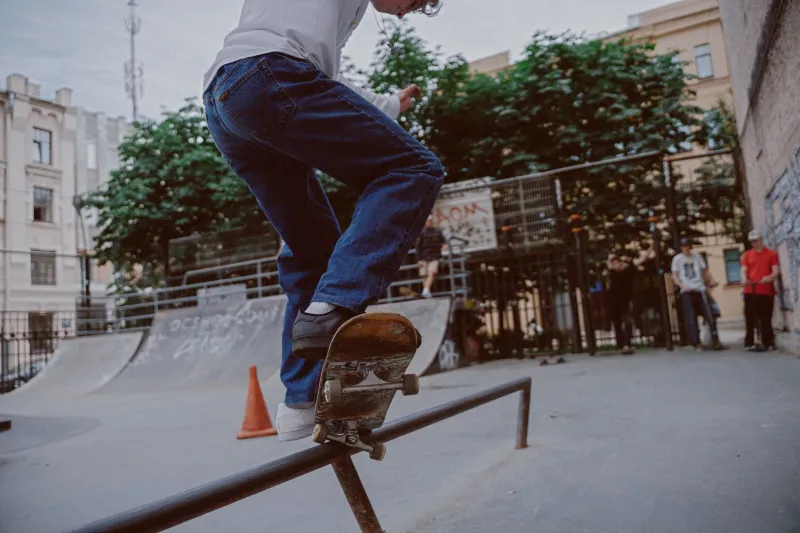
When the Wave Stops Calling: How to Find Your Fire Again in Action Sports
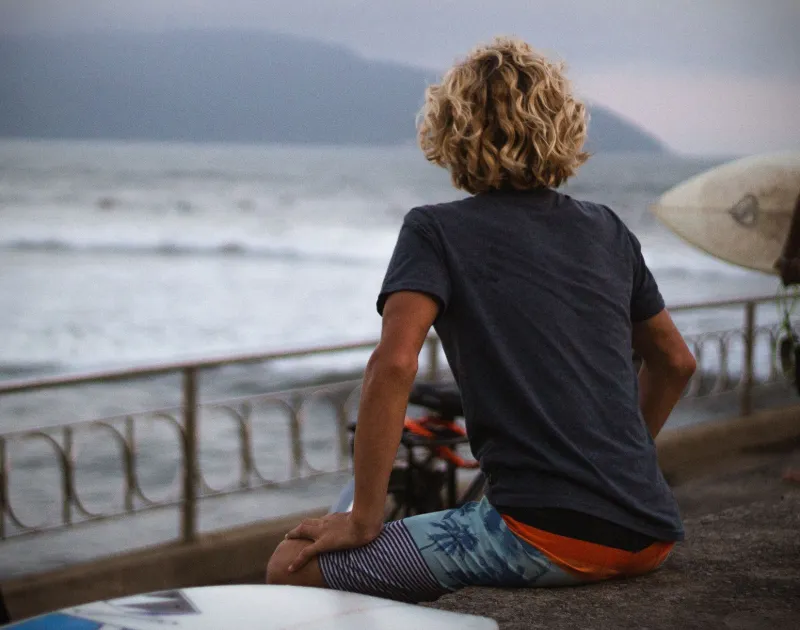
You remember the first time you dropped into a wave or rolled away clean from a trick you'd been working for weeks. That feeling — pure, electric, totally unfiltered — is why any of us got into this in the first place. It's the whole reason Getting Stoked exists.
But what happens when that feeling goes quiet?
For a lot of riders, there comes a point where the board feels like dead weight and the ocean looks more like an obligation than an invitation. It's not laziness. It's not weakness. It's burnout — and it hits harder in action sports than most people want to admit.
The Burnout Nobody Talks About
Burnout in mainstream athletics gets plenty of coverage. Baseball players take mental health days. NBA stars step away mid-season. But in skate and surf culture, there's long been an unspoken expectation that real heads never lose their hunger. The culture practically runs on the mythology of obsession — skate til your shoes fall apart, surf every swell no matter what.
That narrative, while undeniably romantic, can make it really hard to recognize when you've crossed from dedicated into depleted.
Psychologists who work with action sports athletes describe burnout as a three-headed beast: emotional exhaustion, a sense of reduced personal accomplishment, and what they call "depersonalization" — a weird detachment from the thing you used to love most. Sound familiar?
Pro surfer Cody Mendes, who spent years grinding the regional competitive circuit before going independent, described it bluntly in a recent conversation: "I literally couldn't paddle out some mornings. Not because I was tired. I just didn't care. And that scared me more than any wipeout ever did."
The difference between a healthy break and a full-on stoke slump isn't always obvious. Taking a week off after a heavy season? That's recovery. Avoiding your local spot for two months because even thinking about it makes you anxious? That's something worth paying attention to.
How Social Media Changed the Way We Experience Stoke
Here's the thing nobody wants to say out loud: Instagram might be part of the problem.
A decade ago, your skate session was yours. You and your crew, maybe a VX1000, maybe nothing at all. The stoke was self-contained. Now every session exists in a larger ecosystem of likes, views, and algorithmic performance. You're not just skating — you're producing content. And that shift is more psychologically loaded than it sounds.
When your passion becomes your personal brand, the intrinsic motivation that made you fall in love with the sport starts to compete with external pressure. Every trick becomes a potential clip. Every session becomes a potential reel. And if the clip doesn't land? If the reel flops? Suddenly the session itself feels like a failure, even if you had a blast.
Multiple athletes across disciplines have pointed to this dynamic as a significant factor in their motivation dips. "You start chasing validation instead of the feeling," said one amateur skater from Portland who asked to remain anonymous. "And once you do that, you've already lost the plot."
This isn't an anti-social media screed — there's real community and real inspiration flowing through those platforms every day. But it's worth being honest about the psychological cost of performing your passion for an audience.
What the Pros Actually Do
So what do riders who've been through the valley actually do to climb back out?
The most consistent answer is deceptively simple: change something. Not everything. Just something.
For some athletes, that means switching disciplines temporarily. Surfers pick up a longboard when shortboarding feels stale. Skaters who've been grinding handrails start messing around in empty pools. Snowboarders drop into mountain biking for a summer. The physical skills transfer in surprising ways, and the novelty reactivates the beginner's mindset — that wide-open curiosity that made everything feel possible when you first started.
"I took three months off surfing and just skateboarded," recalled pro big wave surfer Tara Nielson, who famously stepped back from competition in 2021 before returning stronger. "When I paddled back out, it felt like the first time all over again. I think my brain just needed a different kind of stoke."
Travel is another powerful reset button. Not the Instagram-optimized surf trip with a photographer and a preset itinerary — just getting somewhere unfamiliar. New spots carry no baggage. There's no history of failed attempts, no expectations, no audience. Just terrain you've never read before and the pure problem-solving joy of figuring it out.
Coaches and sports psychologists also emphasize the value of removing performance pressure entirely for a set period. Skate without filming. Surf without scoring yourself. Let sessions be sessions again instead of auditions.
The Permission You Didn't Know You Needed
Maybe the most important thing we can say here is this: it's okay to not be stoked sometimes.
Action sports culture has always celebrated relentless commitment, and that's part of what makes it so compelling. But the healthiest athletes — the ones with the longest careers and the most genuine relationships with their sport — are usually the ones who learned to listen to themselves. Who took the break when they needed it. Who gave themselves permission to be human.
Burnout isn't a character flaw. It's a signal. And like any signal worth paying attention to, it's telling you something real about where you are and what you need.
The wave will call again. The street will pull you back. Sometimes you just need to step away from the water long enough to remember why you love the ocean.
Practical Steps to Reclaim Your Stoke
- Log off for a week. Delete the apps temporarily. Skate or surf without documenting it. See how it feels.
- Find a beginner. Teaching someone the basics is a surprisingly reliable way to rediscover your own enthusiasm.
- Explore a new spot. Doesn't have to be far. A new skate spot across town or an unfamiliar beach break can completely shift your perspective.
- Talk about it. Find your crew, find a coach, or find a therapist who gets it. Naming the slump out loud takes some of its power away.
- Try something adjacent. Surf foiling, longboarding, BMX, climbing — cross-training isn't just physical. It's psychological refreshment.
The stoke is still in there. Sometimes it just needs a little room to breathe.