Built From the Ground Up: How Skaters and Surfers Are Running Their Own Economy

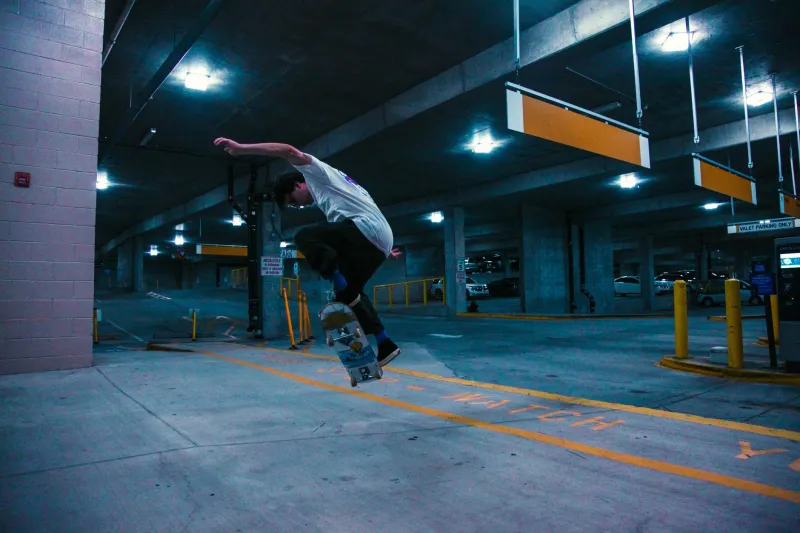
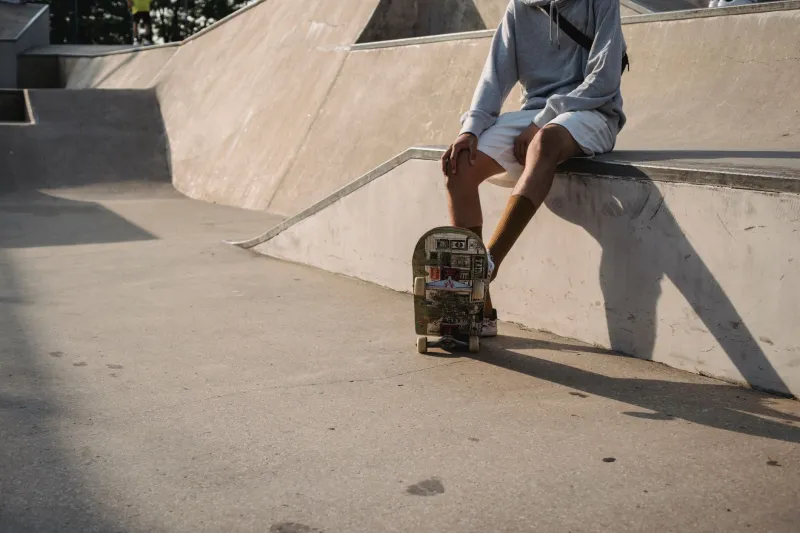
There's a skate shop in East Nashville that doesn't carry a single product from any of the top five global action sports brands. The walls are covered in local art, the decks are pressed by a small manufacturer out of Portland, and the guy behind the counter has been skating the same cracked parking lot out back for eleven years. Business, by most conventional measures, is good.
This isn't a fluke. It's a pattern showing up from Venice Beach to Brooklyn, from the surf towns of the Outer Banks to the DIY skate scenes of the midwest. A quiet but unmistakable economic shift is happening inside action sports — and it's being driven not by venture capital or celebrity endorsements, but by the communities themselves.
The Corporate Offer Nobody Took
Ask around in the independent action sports world long enough and you'll start hearing a version of the same story. A brand gets traction. A distributor comes calling. The numbers look good on paper. And then someone in the room says no.
Jordan Alvarez, who co-founded a small surf hardgoods label out of San Clemente, California, got that call about three years into running his operation. A mid-tier action sports conglomerate wanted to fold his board line into their portfolio. The offer included a real salary, distribution reach he couldn't touch on his own, and a co-brand deal that would have put his logo in front of millions of eyeballs.
He passed.
"The second you take that money, you're not making decisions for your community anymore," he says. "You're making decisions for a board meeting in a city that's never seen your coastline."
Alvarez isn't alone in that thinking. Across the country, the people who've built the most respected independent operations in skate and surf tend to share a common philosophy: staying small is a feature, not a limitation.
The Math Behind Going Independent
Here's what's interesting — the economics of independence are actually working. Not in a "we're doing okay" kind of way, but in a genuinely sustainable, sometimes thriving kind of way.
The reason comes down to a few converging forces. First, the rise of direct-to-consumer sales has collapsed the traditional distribution model. A surf brand that once needed a national retailer to move product can now build a Shopify store, grow a loyal Instagram following, and ship boards directly to customers who feel personally connected to what they're buying.
Second, the action sports consumer — especially the under-35 crowd — has developed a sharp radar for authenticity. They can tell when a brand is performing culture versus actually living it. And they vote with their wallets accordingly.
Third, local loyalty runs deep. When a skate shop sponsors the neighborhood bowl cleanup, hosts a free learn-to-skate day for kids, or puts up local riders before they've got any following at all, they're building something that a national chain simply cannot replicate.
"We're not just selling boards," says Marcus Webb, who runs a skate collective and shop in Albuquerque, New Mexico. "We're the only place in the city where a fifteen-year-old kid can walk in, get taken seriously, and leave feeling like they belong to something. You can't put a price on that, but it absolutely translates into people coming back."
Collectives as the New Business Model
One of the most interesting evolutions in the stoke economy is the rise of the crew collective — part skate team, part brand, part community organization. These aren't just friend groups who happen to film clips together. They're structured entities with merchandise lines, event revenue, and in some cases, media operations that rival the output of much larger companies.
The model works because it distributes both the work and the reward. A collective might have one person handling social media, another doing graphic design, a third organizing events, and a fourth managing product drops — all while everyone is still skating or surfing at the core of it. The creative output feeds the brand, and the brand funds the lifestyle.
In Philadelphia, a collective called Concrete Fam has built a following of nearly 80,000 across platforms without a single paid advertising campaign. Their revenue comes from limited apparel drops, a subscription video series, and local event sponsorships from businesses that want to reach their audience. They've turned down two partnership offers from national brands in the past eighteen months.
"Every time we've talked to a bigger company, they want to change something," says one of the founding members. "The logo, the vibe, who we put on. And that stuff is literally the whole thing. That's why people care."
What Makes the Independent Model Fragile
None of this is without risk. The independent path is harder in real, practical ways that don't always get talked about in the highlight reel version of the story.
Cash flow is brutal. A small surf brand ordering custom boards is putting up serious money months before a single unit sells. A skate shop carrying local brands instead of guaranteed movers is betting on community loyalty over commercial certainty. One bad season, one unexpected expense, one slow summer can wipe out margins that were never fat to begin with.
There's also the burnout factor. When you're the owner, the buyer, the social media manager, and the person sweeping the floor at closing, the romance of independence can wear thin fast. Several shop owners interviewed for this piece were candid about the personal cost — missed trips, strained relationships, years of below-market pay in exchange for the freedom to run things their way.
"I wouldn't trade it," says Alvarez. "But I'm not going to pretend it's easy. Some months I'm stoked. Some months I'm terrified. Usually both at the same time."
The Bigger Picture
What's happening in skate shops and indie surf labels and local crew collectives right now is bigger than business strategy. It's a values statement. It's a generation of people who grew up inside action sports culture deciding that the culture is worth protecting — even when protecting it costs money.
The stoke economy doesn't run on investor decks or quarterly projections. It runs on the same fuel that action sports have always run on: the genuine, uncut love of doing the thing. The difference now is that love is being organized, monetized (carefully), and turned into something that can actually last.
And the fact that it's working — that a shop in Nashville with no big-brand inventory is doing just fine, that a collective in Philly is turning down national deals, that a guy in San Clemente said no to a check and kept building anyway — says something worth paying attention to.
The community was always the product. Turns out, it's also the business model.