Sold Out or Stoked Out? How Big Money Is Moving Into Skate's Sacred Spaces
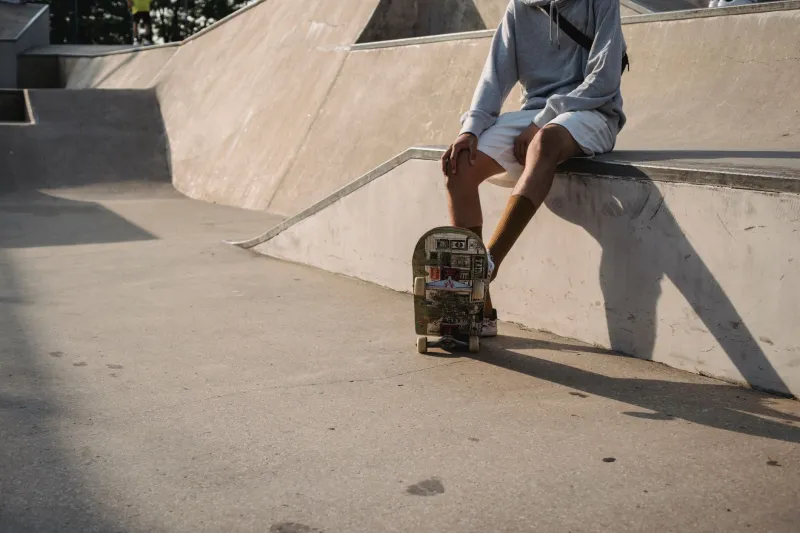
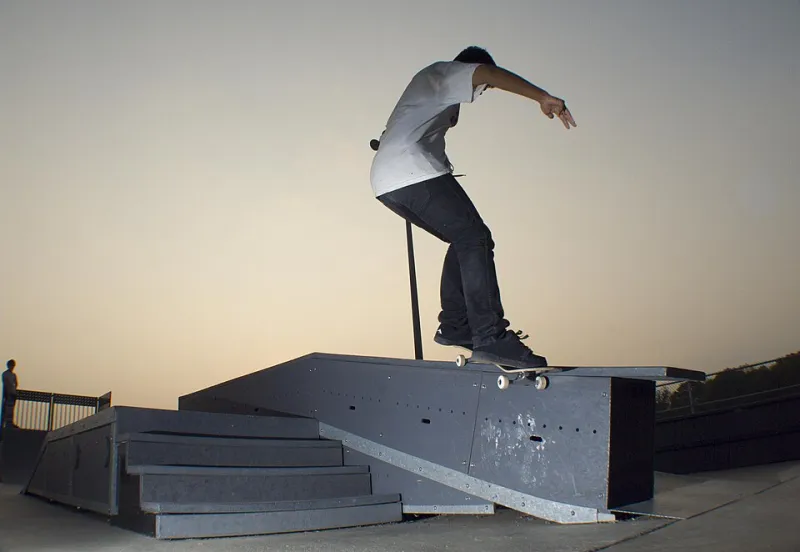
There's a ledge in East Los Angeles that skaters have been waxing since the early 2000s. No sign. No liability waiver. Just cracked concrete, a hand-painted mural, and a rotating crew of locals who treat it like a second home. Last spring, a rep from a major athletic apparel company showed up with a camera crew and a check. What happened next is the kind of story that's playing out in skate communities from Brooklyn to Portland — and nobody agrees on how it ends.
Big brands have always orbited skateboarding like moths around a flame. The culture is magnetic, the aesthetic is endlessly marketable, and the demographic is exactly what Fortune 500 marketing departments dream about at night. But something has shifted recently. Instead of just slapping logos on pros and calling it a day, corporations are going deeper — funding DIY spots, partnering with local collectives, and embedding themselves into the grassroots infrastructure that makes street skating what it is. The question the skate world is wrestling with right now: is that a lifeline or a slow-motion takeover?
The Money Is Real, and So Is the Need
Let's be honest about something most skaters don't love admitting — keeping a DIY spot alive is expensive. Concrete costs money. Tools cost money. Fighting off city removal orders sometimes costs a lawyer. Marcus Webb, a spot builder in Atlanta who's helped construct three DIY parks over the past decade, puts it plainly.
"We were pouring concrete out of our own pockets for years," he says. "Guys working minimum wage jobs, pooling together whatever they had. When a brand comes in and offers to cover materials? That's not selling out — that's survival."
That perspective resonates with a lot of builders who've watched beloved spots get demolished because the community simply couldn't sustain them. In cities where real estate pressure is intense and municipal support is basically nonexistent, outside funding can be the difference between a spot lasting a season and lasting a decade.
But here's where it gets complicated.
The Fine Print Nobody Talks About
Brand partnerships don't come with no strings attached. Even the most hands-off corporate sponsors tend to want something — content, exclusivity, naming rights, or the kind of association with authentic street culture that money genuinely cannot buy on its own. That's exactly what makes the arrangement feel transactional to a lot of skaters who've built these spaces from nothing.
Jordan "Spokes" Delacroix, a 24-year-old street skater from Philadelphia, has seen both sides. His local crew accepted a product sponsorship from a mid-tier footwear brand two years ago. The gear was great. The strings, less so.
"They wanted to approve the clips we posted. They wanted the spot tagged in their socials before we could post our own stuff. It started feeling like we were working for them instead of skating for ourselves," he says. "We ended up walking away from it."
That experience isn't unique. Across social media, skaters have been increasingly vocal about the way corporate involvement — even well-intentioned involvement — can quietly reshape the culture of a spot. When a camera crew shows up, the vibe changes. When a brand's logo gets stenciled on the wall, the spot becomes a set. The skating might look the same on video, but the energy underneath it shifts.
When It Actually Works
Not every partnership ends in frustration, though. There are genuine examples of brands getting it right — usually when they do something radical by corporate standards: they listen and then stay out of the way.
In Denver, a regional hardware chain partnered with a local skate nonprofit to fund a covered DIY spot that's been running strong for three years. The brand gets a small logo on a single sign near the entrance. That's it. No content requirements. No ambassador deals. No Instagram strategy. Just a check and a handshake.
"They came to us and asked what we needed," says Tanya Reyes, who runs the nonprofit. "We told them we needed concrete and a roof. They made it happen and never once asked us to perform for them. That's the model."
Brand reps who've navigated this space successfully tend to share a similar philosophy: credibility in skateboarding cannot be manufactured, only borrowed — and only if the community genuinely lends it to you. The moment a brand starts trying to control the narrative, that credibility evaporates.
The Authenticity Paradox
Here's the weird irony at the center of all this: the rebellious, unsponsored, anti-establishment energy that makes street skating so attractive to corporations is the exact thing that gets diluted when corporations enter the picture. It's a snake eating its own tail.
Some veteran skaters argue that the solution is to refuse all corporate involvement, full stop — to keep spots underground, unfunded, and invisible to anyone with a marketing budget. And for certain spots, that's probably the right call. Some places derive their entire identity from being off the grid.
But for communities that need resources to survive, a blanket rejection of outside money isn't always realistic. The more nuanced conversation is about terms — about who holds power in the relationship, about what the community is giving up in exchange for what it's getting, and about whether the people writing the checks actually respect the culture or just want to wear it like a costume.
What Skaters Are Actually Saying
Poll a random group of skaters about this and you'll get a wildly varied response. Younger skaters who grew up watching pros with massive brand deals tend to be more pragmatic about it. Older heads who remember when skateboarding was genuinely underground are often more protective.
What almost everyone agrees on is this: the community has to stay in the driver's seat. The moment a brand's priorities start shaping how a spot is used, who skates it, or what kind of skating gets celebrated there, something essential has been lost.
The ledge in East LA? The crew ended up turning down that check. They decided the filming restrictions in the contract weren't worth it. The spot is still there, still waxed, still very much theirs.
Maybe that's the answer — not a universal rule about accepting or rejecting corporate money, but a community-by-community negotiation about what each spot is worth and what it's willing to trade. The skate world has always made its own rules. This situation is no different.