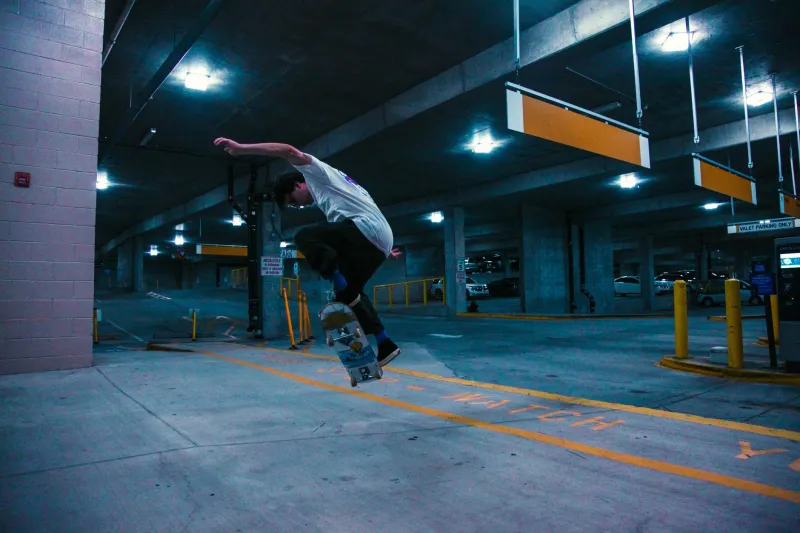
Behind the Lens and Off the Radar: How Indie Video Crews Are Deciding What Action Sports Looks Like
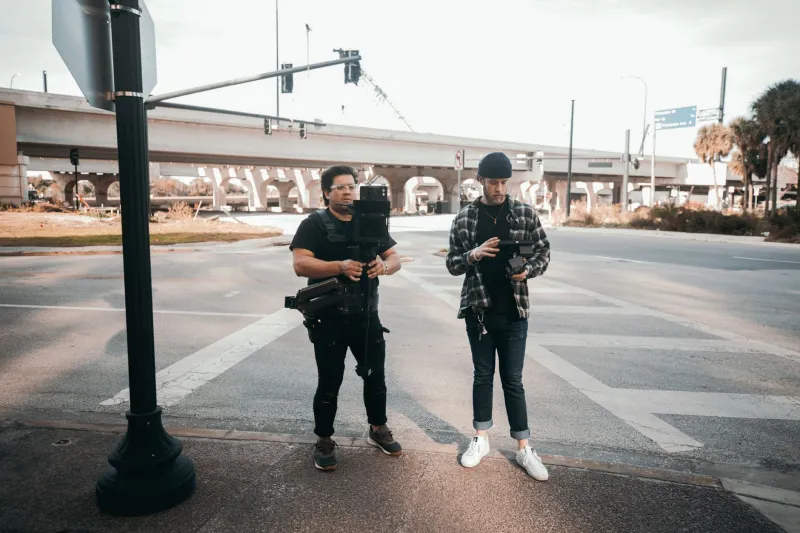
The Person Behind the Camera Is Running the Show
Every time a clip goes crazy on TikTok or a full skate video drops on YouTube and breaks the internet for a week, people lose their minds over the athlete. The kickflip, the air, the wipeout that somehow looked beautiful — that's what gets screenshotted and shared. But somewhere just out of frame, there's a person who was already there. Who scouted the spot. Who waited three hours for the light to hit right. Who knew exactly when to press record.
Those are the indie filmmakers, and right now, they're holding more power in action sports culture than most people give them credit for.
They don't have production budgets from Red Bull or GoPro. They're not embedded with pro teams on stadium tours. A lot of them are working with whatever camera they could afford, editing on a laptop in a bedroom, and uploading directly to their own channels. And somehow, they're the ones deciding which athletes get seen, which spots become iconic, and what the whole culture feels like on any given week.
How a Clip Becomes a Moment
It's easy to think virality is random — like some algorithm just picks a winner and rockets it to a million views overnight. But talk to anyone who's been making skate or surf video content for a few years and they'll tell you there's way more intention behind it than that.
Take someone like Marcus Webb, a 24-year-old based out of Atlanta who's been filming local skaters for the past four years. He started with a cheap mirrorless camera and a YouTube channel he barely promoted. Now he's got over 200,000 subscribers and his full-length videos routinely crack a million views.
"I think people can tell when something is filmed with care," Webb says. "The angle matters. The timing matters. You can feel when a filmer actually understands what the skater is trying to do. It's not just pointing a camera — you're telling a story about a person and a moment."
That storytelling instinct is what separates the crews getting traction from the ones posting into the void. The best indie filmmakers aren't just documenting tricks — they're building narratives. A full video part isn't a highlight reel; it's a portrait of a skater's personality, style, and relationship with their city.
Spots Don't Become Legendary Until Someone Films Them That Way
Ask any skater how they found out about a famous spot and nine times out of ten, the answer involves a video. Not a magazine. Not word of mouth. A video that made a specific set of stairs or a particular ledge look like the most important piece of concrete on earth.
Indie crews are doing that same work right now for a whole new generation of spots across the country. A drainage ditch in Phoenix. A low-traffic plaza in Richmond. A stretch of beachside pavement in San Diego that nobody paid attention to until a filmer made it look like a cathedral.
Jasmine Okafor runs a small video crew out of Chicago that's been documenting the city's skate scene for the past three years. She started because she felt like nobody was capturing what skating actually looked like in the Midwest — the texture of it, the cold weather, the industrial backdrops.
"Chicago has insane spots," she says. "But for a long time, if you weren't in LA or New York, you felt invisible. I wanted to change that. I wanted kids here to see themselves in videos."
Her channel now serves as a de facto archive of Chicago skate culture, and several of the athletes she's featured have gone on to get sponsored directly because of the visibility her videos created. No agency. No publicist. Just footage that made people pay attention.
Building an Audience Without Selling Out
Monetizing independent action sports video content is a real hustle, and most filmmakers are piecing it together from multiple directions at once. YouTube ad revenue, Patreon memberships, brand deals with smaller endemic companies, commissioned video parts for athletes who want professional documentation of their work — it all adds up, but it takes time to build.
The filmmakers who seem to be thriving are the ones who treat their channel like a brand from day one. Consistent visual style. A clear point of view. An audience that knows what they're going to get when a new video drops.
"I think the biggest mistake new filmmakers make is trying to film everything," says Devon Castillo, a 27-year-old surf and skate filmer from Ventura, California. "You have to have a lane. My lane is raw street skating with a film look. That's it. People who like that find me, and they stick around."
Castillo has built a loyal following of around 150,000 across YouTube and Instagram without ever taking a deal from a major brand. He's selective about partnerships, only working with companies whose products he actually uses. That authenticity, he says, is the whole ballgame.
"The second your audience thinks you're just a commercial, you're done. These kids can smell it instantly."
The Algorithm Is a Tool, Not a Boss
One of the more interesting things about talking to indie action sports filmmakers is how differently they relate to social media platforms compared to traditional media creators. They're not chasing trends or reverse-engineering what the algorithm wants. Most of them are using the platforms as distribution infrastructure while keeping their actual creative decisions completely separate.
TikTok has opened up a new avenue for short clips that can funnel viewers toward longer YouTube content. Instagram still works for building a visual identity and connecting with athletes and other crews. But the filmmakers who are most respected in the community tend to be the ones who treat the full-length video — the kind you sit down and actually watch — as the real product.
That longer format is where the culture gets made. Where an athlete's story gets told properly. Where a city's skate scene gets documented in a way that'll matter ten years from now.
Why This Matters More Than It Seems
Action sports have always been shaped by the people who documented them. The VHS era had its legends. The DVD era changed everything. Now the tools are more accessible than ever, and the gatekeepers have basically disappeared.
What that means is that the culture is genuinely being built from the ground up by people who love it — filmmakers who skate, who surf, who grew up watching the same videos that made them want to pick up a camera in the first place. They're not making content for brands. They're making it for the community, and the community is responding.
The athletes who blow up through these channels tend to be the ones who actually deserve it — not the ones with the best PR, but the ones with the most interesting skating, the most compelling presence, the most authentic connection to their scene.
That's not nothing. In a media landscape where everything feels manufactured and optimized, the indie video crew showing up at a spot at 6 a.m. with a camera and a vision is doing something genuinely important.
They're keeping it real. And right now, that's the rarest thing in the game.