Still Riding Together: How Skate and Surf Crews Keep It Real When the Internet Wants to Sell Everything
There's a clip that never got posted. A full-speed bomb down a San Diego hill, three dudes riding side-by-side, one of them just barely avoiding a parked car before the whole group dissolves into hysterical laughter at the bottom. The guy who filmed it watched it back, laughed until his stomach hurt, and then shoved his phone in his pocket. "That one's just ours," he said. Nobody argued.
That moment — small, unremarkable to anyone outside the crew — is exactly the kind of thing that's getting harder to protect. In an era where every session is a potential content opportunity and every bail is a candidate for a viral clip, the unspoken agreements that hold friend groups together are under real pressure. Action sports have always run on community. The question now is whether that community can survive being turned into a feed.
When the Camera Became the Third Wheel
Ask any skater or surfer who's been in the game for more than a decade and they'll tell you the same thing: the vibe changed when the phone became the default. It wasn't a dramatic shift. It happened slowly, the way a spot gets blown up — one post at a time, until the thing you loved about it is gone.
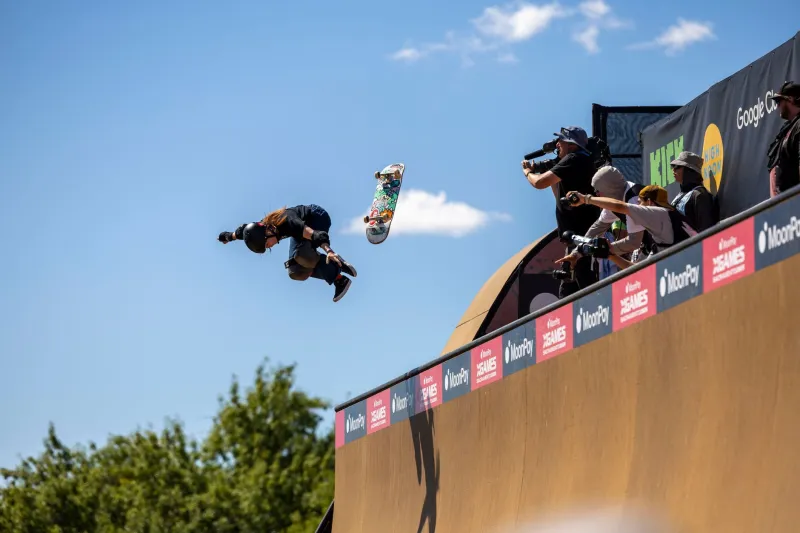
The filming was always there. Skate videos have been a core part of the culture since the '80s. Surf movies even longer. But there's a difference between a crew pooling money for a camcorder to document a road trip and someone pausing a session to nail the right angle for their Instagram grid. One is about memory. The other is about metrics.
"We used to film stuff because we wanted to remember it," says Marcus, a 28-year-old street skater from Atlanta who's been riding with the same core group since high school. "Now it feels like some guys film stuff because they need content. And those are genuinely different things. You can feel the difference in the energy."
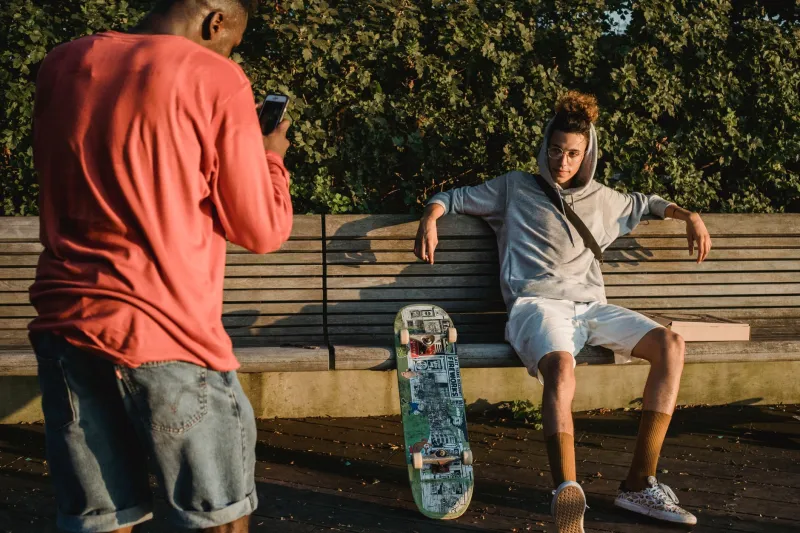
That energy shift is real, and it's not just vibes — it changes behavior. When a session is being documented for an audience, people start performing. They hit the same trick five more times for the right clip. They hesitate before helping a friend up from a slam because the camera is still rolling. The authenticity that makes a crew a crew — the unfiltered, no-stakes hanging out — gets quietly replaced by something more curated.
The Sponsorship Fault Line
Things get more complicated when money enters the picture. Even modest sponsorships — free product, small monthly checks, a clothing deal — introduce a dynamic that can quietly fracture a group. One person in the crew starts getting opportunities. The others don't. And suddenly the sessions that used to be purely about riding start carrying a different weight.
Jordan, a 24-year-old surfer from the Outer Banks who picked up a regional board sponsor two years ago, talks about navigating this carefully. "My guys were stoked for me at first. And they still are, mostly. But there are definitely moments where I can feel it — like I'm partially there to get footage for my page and they're just hanging out. That's a weird thing to reconcile."
The solution Jordan landed on was deliberate and a little old-fashioned: designated sessions. Some sessions are for content. Camera out, clips planned, sponsor-approved hashtags ready to go. Other sessions are explicitly off the record. No posting. No tagging. What happens in the water stays there. "It sounds simple, but actually naming it out loud — saying 'this one's just for us' — made a huge difference. It gave everyone permission to just be present."
The Crews That Went Dark on Purpose
Some groups have taken it even further. There's a loosely organized skate collective out of Portland that made a group decision three years ago to keep their sessions almost entirely off social media. No crew account. Minimal individual posting. The occasional photo, but nothing systematic. They're not anti-technology — most of them have phones and use them plenty in the rest of their lives. But they decided the sessions were sacred enough to protect.
"We watched what happened to some of our friends' groups," says one of the collective's members, who asked not to be named specifically. "The clout-chasing, the petty stuff about whose clip got more views, guys starting to prioritize their personal brand over just being cool to each other. We didn't want that. We made a conscious call."
The tradeoff is real: less visibility, fewer sponsorship opportunities, a smaller footprint in the broader culture. But the member shrugs at that. "We're not trying to build a brand. We're trying to have something real. Those aren't always compatible goals."
What the Algorithm Actually Costs
There's a particular kind of loneliness that comes from a session that looks great on your phone and felt hollow in real life. Plenty of people in the action sports world know exactly what that feels like — the afternoon that generated killer content but left everyone feeling vaguely disconnected, like you spent three hours performing friendship instead of having it.
The algorithm doesn't care about that distinction. It rewards the polished clip, the clean trick, the aesthetic that makes people stop scrolling. It has no mechanism for capturing the stuff that actually builds bonds: the long drive where everyone's talking trash and someone's terrible music is playing too loud, the session that went sideways because the spot was closed so you ended up somewhere completely random and it turned into one of the best afternoons of the year, the moment after a bad slam when your boy sits with you on the curb and doesn't say anything because nothing needs to be said.
That stuff doesn't get posted. And increasingly, for the crews that are paying attention, that's the whole point.
Keeping the Crew Sacred
The groups that seem to be navigating this best aren't rejecting technology or pretending social media doesn't exist. They're just drawing lines. Some are formal — explicit agreements about what gets posted. Some are intuitive — a shared understanding that certain moments belong to the group and nobody needs to say it out loud. All of them involve some version of the same thing: choosing the crew over the content, repeatedly and deliberately, until it becomes the culture of the group itself.
Marcus from Atlanta puts it plainly: "My crew is the reason I still skate. Not my follower count. Not my clips. Those guys. If I had to choose between a sick post and keeping that intact, it's not even a question."
Some things are still worth keeping off the feed. The friendships that formed in parking lots and lineups, before anyone was watching — those might be the most valuable thing action sports ever produced. Protect accordingly.