Zero Budget, Full Send: How to Level Up in Action Sports When You're Flat Broke
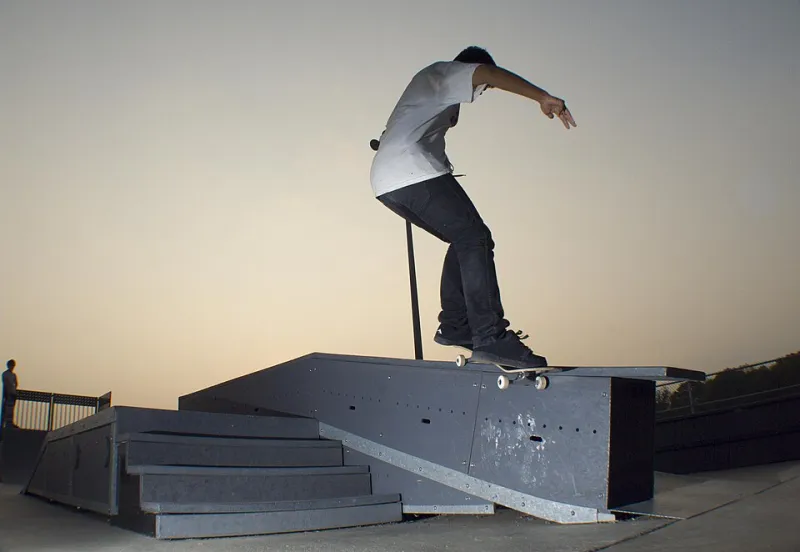
Photo: MattLaws from Nashville, Tennessee, CC BY 2.0, via Wikimedia Commons
Let's be real for a second. Action sports have a money problem. A decent surfboard setup can run you $800 before you even hit the water. A fresh complete skateboard from a proper shop? Somewhere north of $150. And if you want coaching, clinics, or competition entry fees on top of that — the dollar signs stack up in a hurry.
But here's the thing nobody talks about loudly enough: some of the most technically gifted athletes out there learned everything they know with beat-up hand-me-down gear, YouTube tutorials, and sheer stubbornness. The hustle is real, and it's always been part of the culture. So if your wallet is thin but your drive isn't, this one's for you.
Fix It Before You Ditch It
Gear maintenance is the single most underrated skill in action sports, and it's free. A surfboard ding that looks catastrophic is usually a $10 repair kit situation. Sun Cure resin is widely available at surf shops and online, and learning to patch your own board is a rite of passage that saves you hundreds over a season. Same goes for wetsuits — a tube of neoprene cement handles most tears before they become full-blown blowouts.
On the skateboarding side, a worn-down deck doesn't automatically mean it's dead. Flip it, ride the tail as the nose, or trim it down to a cruiser shape. Bearings that feel slow? Clean them with isopropyl alcohol and re-lube them with a drop of sewing machine oil. Trucks loose and wobbly? Learn to tune the kingpin tension yourself rather than buying new hardware every few months.
The athletes who last longest in this culture are the ones who treat their gear like it matters — because when you can't afford to replace it, you figure out how to make it last.
The Internet Is a Free Skate Coach
Coaching is legitimately valuable, but paid instruction is not the only path to progression. The amount of elite-level coaching content available for free right now is genuinely staggering. YouTube channels run by professional surfers, sponsored skaters, and certified instructors put out detailed breakdowns of technique, common mistakes, and progression drills — all at no cost.
The key is being intentional about how you consume it. Don't just watch and scroll. Take notes. Film yourself doing the same trick or maneuver, then compare your body position to what you watched. This self-analysis loop — watch, attempt, film, compare, repeat — is essentially what a coaching session looks like, minus the hourly rate.
Also worth knowing: a lot of local coaches and experienced riders will trade time for effort. Offer to help someone move boards, clean up a skate spot, or shuttle gear to a surf session. Community runs deep in action sports, and genuine hustle gets noticed.
Find the Free Spots (They're Everywhere)
Paid parks and surf schools exist for a reason, but the best sessions of your life probably won't happen there anyway. Skate spots are all around you — parking structures, empty lots, school ledges on weekends, and public plazas that haven't been knobbed yet. The art of spot hunting is itself a deeply skateboarding thing, and it connects you to the street culture that made the sport what it is.
For surfers, free waves are literally infinite. What costs money is convenience. Instead of paying for a lesson at a crowded beach break, study tide charts, swell forecasts (Surfline offers free basic forecasts), and drive a little further to find less crowded, more learnable waves. Smaller, crumbly beachbreaks are often better for progression than the heavy spots the pros surf anyway.
For climbers, hikers, and mountain bikers on a budget — public lands are your best friend. National forests, BLM land, and state parks across the US offer world-class terrain for the cost of gas. The American Alpine Club also offers low-cost membership tiers that include access to local climbing areas and community resources.
Build Your Network Like It's Your Job
In action sports, who you know shapes what you can access. Showing up consistently at your local skate spot or surf break and being genuinely cool to people opens doors that money simply can't. Experienced locals share knowledge freely when they see someone putting in real work and bringing good energy.
Community connections also lead to gear. The hand-me-down economy in skateboarding and surfing is massive. Boards get retired when they're still rideable. Wetsuits get outgrown. Helmets get replaced after upgrades. If people in your local scene know you're hungry to learn and strapped for cash, gear often comes your way — because the culture rewards commitment over consumption.
Join local Facebook groups, follow regional Instagram accounts, and show up to community skate sessions and beach cleanups. Volunteer at local contests. These aren't just nice things to do — they're how you build the kind of relationships that get you a free surfboard, a mentor who actually knows what they're talking about, or a heads-up about a session that changes your trajectory.
Compete Without the Entry Fee
A lot of beginner and amateur competitions have free or heavily subsidized entry, especially events organized by local shops, community parks, or regional surf associations. These contests are where the real growth happens anyway — low pressure, high stoke, and instant feedback from the community around you.
USA Skateboarding and the Association of Surfing Professionals both support grassroots competitive pathways that don't require you to drop serious cash just to get on a start list. Look for local shop-sponsored jams, which are often free and come with the bonus of gear giveaways.
The Broke Ripper Mindset
Here's the truth that no gear ad will ever tell you: progression is about time on task, not money spent. The surfer logging two hours in the water every morning before work is going to outpace the weekend warrior with the $1,500 custom board every single time. The skater who's been sessioning the same curb for six months has edge control that a kid with a brand-new setup hasn't earned yet.
Budget constraints force creativity, and creativity is the lifeblood of action sports culture. The most iconic moments in surfing and skateboarding history came from people who were improvising, adapting, and refusing to accept that resources were the ceiling on their ambitions.
So yeah, money helps. But it's never been the point. The point is getting out there, putting in the hours, and staying stoked when it's hard. That part? Completely free.