Strangers Who Shred Together: The Instant Bond of Action Sports

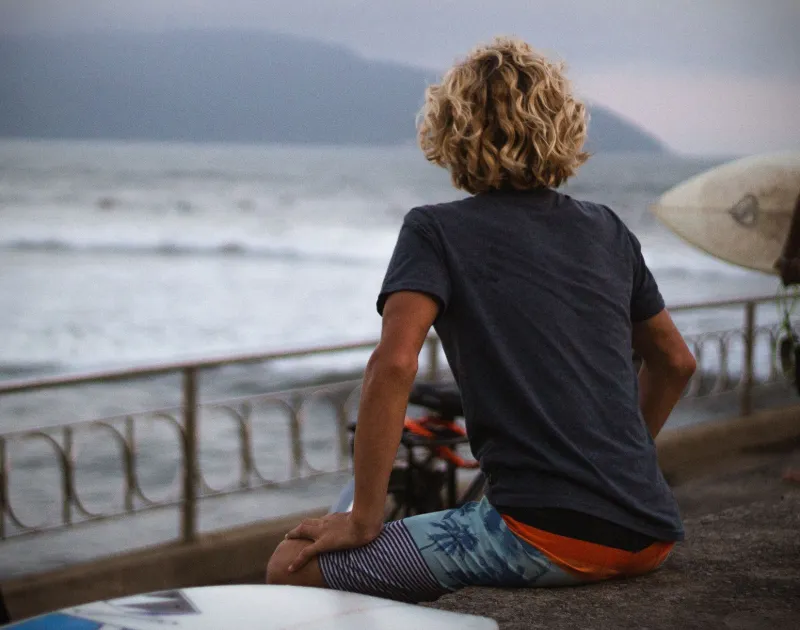
Photo by Photo by Karina Skrypnik on Unsplash on Unsplash
You paddle out at a break you've never surfed before. The lineup is already packed. Nobody knows your name, and you don't know theirs. But within twenty minutes, you're hooting someone into a set wave, they're returning the favor, and by the time the tide shifts, you're swapping numbers in the parking lot. Sound familiar?
It should. Because if you've spent any real time in surf, skate, or any corner of the action sports world, you've probably experienced this exact thing — that lightning-fast sense of belonging that forms between people who share a board, a ramp, or a wave. It's one of the most quietly remarkable things about this culture, and it deserves way more attention than it gets.
Why Adrenaline Is the World's Best Icebreaker
Let's start with the science, because it's actually pretty wild. When you're charging a heavy section of a wave or stomping a trick you've been working on for weeks, your brain floods with adrenaline and cortisol. But here's the kicker — when you watch someone else do it, especially in real time right next to you, your brain mirrors a version of that same chemical response.
Researchers studying social bonding have found that shared high-arousal experiences — the kind that get your heart rate up and your palms sweaty — accelerate the formation of trust between strangers significantly faster than low-stakes interactions. In other words, watching someone eat it on a gnarly drop and then pull themselves back up tells you more about that person in thirty seconds than a two-hour dinner conversation ever could.
"There's an honesty to it," says Marcus Webb, a 28-year-old skater from Phoenix who's logged sessions at parks from California to New York. "When someone's trying something hard and they're scared, you can see it. And when they commit anyway, you respect them immediately. You don't need a backstory."
The Lineup as a Social Ecosystem
Anyone who's surfed knows the lineup has its own unwritten social code — and navigating it with strangers is its own kind of art form. You read the water, sure, but you're also reading people. Who's aggressive? Who's generous? Who's going to back off a wave so you can have your moment?
That constant negotiation, played out through eye contact, body language, and the occasional head nod, creates a kind of rapid-fire social fluency. You learn to communicate a lot with very little. And when the communication lands right — when you and some guy you've never met sync up on a set and both come out stoked — there's a mutual recognition that's hard to replicate anywhere else.
Jordan Calloway, a surf instructor based out of San Diego, has watched this happen hundreds of times. "I've seen guys paddle out who looked like they had nothing in common — different ages, different backgrounds, different skill levels — and by the end of a session they're laughing and talking story like they grew up together. The ocean doesn't care about any of that other stuff. It just asks if you showed up."
Skate Parks: The Original Third Place
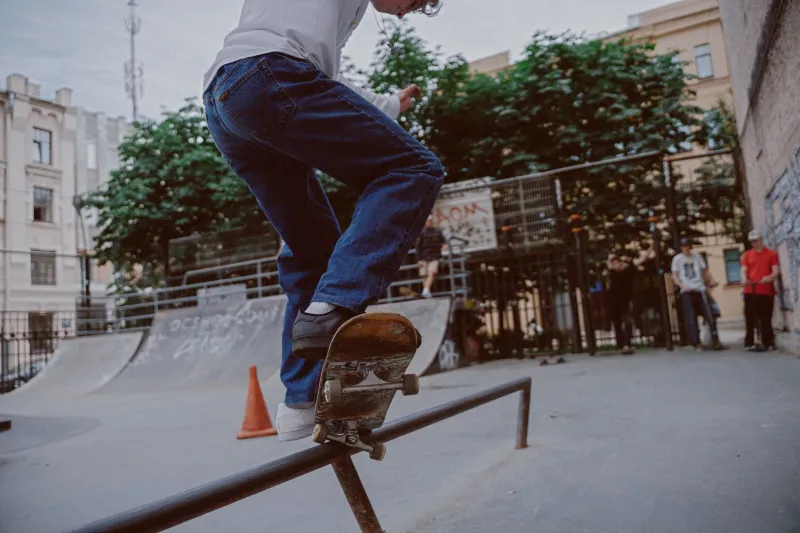
If the ocean is the great equalizer, the skate park is the great connector. Walk into any public park on a Saturday morning and you'll find a cross-section of humanity that would surprise you — teenagers, adults in their forties, beginners who can barely push, veterans who've been skating since before some of the kids were born. And somehow, it mostly works.
Part of that is the structure of skating itself. You take turns. You watch. You encourage. You hype someone up when they land a trick, and you feel genuinely bummed when they don't. That rhythm of participation and observation creates a natural flow of positive reinforcement between people who might never have chosen to interact outside that concrete space.
"The park is the only place I've ever walked up to a complete stranger, watched them skate for five minutes, and felt like I knew them," says Destiny Ruiz, a 22-year-old skater from Austin. "I've made some of my closest friends that way. You show up solo, you start talking about trucks and wheels, and suddenly it's been four hours."
There's also something about the shared language of action sports — the vocabulary, the references, the inside jokes about gear and conditions and that one trick that's been haunting you for months — that functions like a secret handshake. You don't need a formal introduction when you already speak the same dialect.
Shared Risk, Real Trust
Beyond the adrenaline and the shared vocabulary, there's another layer to this: vulnerability. Action sports ask you to fail in public, repeatedly, and often spectacularly. Eating concrete in front of strangers isn't exactly a comfortable experience. But it is a profoundly human one.
When you bail on something and the people around you don't laugh or scroll past — when they actually encourage you to get back up and try again — that's a moment of genuine care between strangers. And when you do the same for someone else, you're participating in a culture of mutual support that a lot of people genuinely don't find in other areas of their lives.
Psychologists call this "vulnerability bonding" — the idea that exposing weakness or struggle in front of others, and having that vulnerability met with support rather than judgment, creates unusually strong emotional connections. Action sports communities do this instinctively, often without even realizing it.
The Session You'll Never Forget
Ask any dedicated surfer, skater, or snowboarder about their most memorable sessions, and there's a solid chance at least one of them involves someone they'd never met before. A random swell that brought unexpected faces to the lineup. A road trip to an unfamiliar park where a local took you under their wing. A competition warm-up where you ended up skating alongside someone who became a genuine friend.
These stories are everywhere in this culture. They're passed around campfires and parking lots, retold at skate shops and surf camps. And they all carry the same thread: two or more people, connected by a shared love of movement and risk, who found something real in an unexpected moment.
That's not an accident. That's the culture doing exactly what it was always built to do.
So next time you paddle out somewhere new, or roll up to a park where you don't know a soul — lean into it. Because your next best session might be waiting on the other side of a simple nod to a stranger.