No Permission Needed: How Women Are Rewriting the Rules of Action Sports

Photo by Photo by Zulfugar Karimov on Unsplash on Unsplash
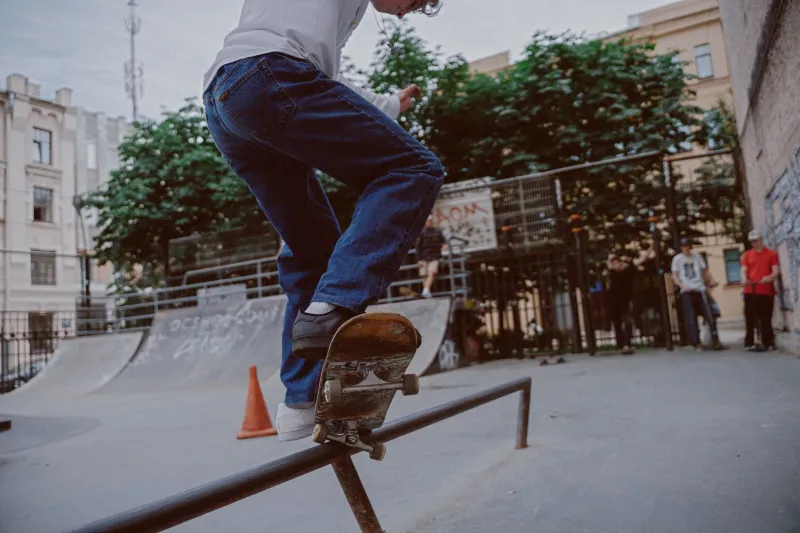
For a long time, the story of action sports in America was written by a pretty specific hand. The magazines, the video parts, the brand deals, the coverage — almost all of it centered on a male experience. Women who skated, surfed, or threw themselves down mountains were often treated like a side note. A novelty. A "women's division" footnote at the bottom of a results page.
That era isn't just fading. It's being actively dismantled — by the athletes, creators, and community builders who decided they were done waiting for an invitation.
A Different Kind of Progression
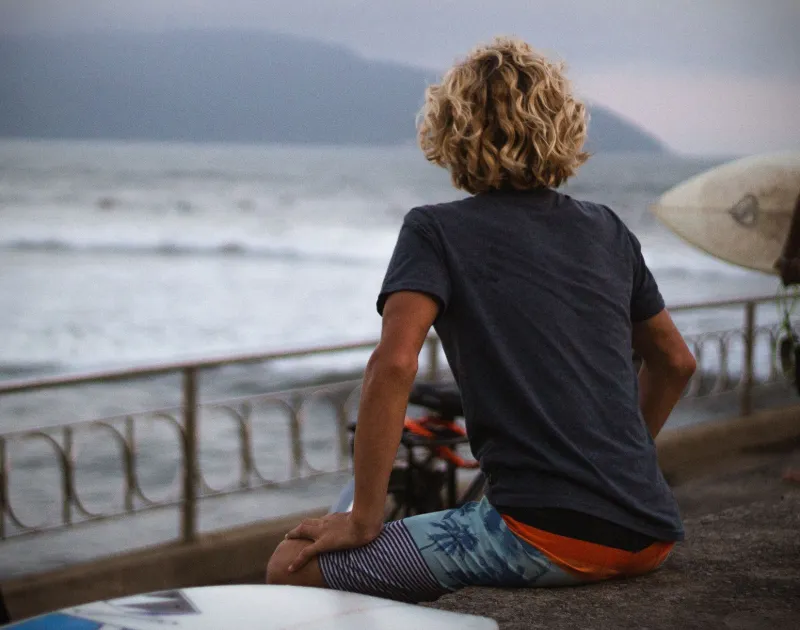
Talk to any woman who's been seriously involved in skateboarding or surfing for more than a decade, and you'll hear a version of the same story: showing up to a skate park and being ignored, talked down to, or outright told this wasn't a space for them. Paddling out and being looked through like they weren't there. Submitting footage or photos and getting passed over in favor of a male counterpart with less skill and less commitment.
"I started skating when I was twelve," says Kayla Orozco, a 26-year-old skater from Los Angeles who now runs her own skate collective for girls and non-binary youth in the San Fernando Valley. "For the first few years I just kept my head down and tried not to take up too much space. It took me a long time to realize that the problem wasn't me."
That realization — that the barrier wasn't ability, it was access — has become the engine of a genuine cultural movement. Women across the country aren't just competing at higher levels than ever before. They're creating the structures that should have existed all along.
Staking Out New Ground
The numbers alone tell part of the story. Female participation in skateboarding has surged dramatically over the past decade, with industry data pointing to women and girls representing one of the fastest-growing segments of new skaters in the US. Surf brands that once marketed almost exclusively to men are now being called out — and in many cases, forced to reckon — with the gap between their female audience and their actual representation of women.
But the real shift isn't happening in corporate boardrooms. It's happening at the ground level, in the parks and lineups and Instagram accounts and YouTube channels where women are simply doing the work and building their own audiences.
Creators like Briana Perez, a surf filmmaker from Huntington Beach who started shooting her own edits after getting tired of being behind the camera for male athletes, have found massive organic followings by just documenting what's actually happening in their communities. "I wasn't trying to make a statement," she says. "I just wanted to film the girls I was surfing with because their surfing was incredible and nobody was paying attention to it. Turns out a lot of people were waiting for exactly that."
Breaking the Style Mold
One of the subtler but more significant ways women are reshaping action sports culture is through aesthetics. For years, the visual language of skateboarding and surfing was locked into a particular look — one that wasn't really designed with women in mind, and often actively excluded them through sizing, imagery, and marketing.
Now, female skaters and surfers are driving some of the most interesting conversations about what the culture looks like. They're thrifting and customizing their gear, launching their own small brands, and creating content that reflects a broader, more honest version of what action sports actually looks like when you open the doors wider.
This isn't just about fashion. It's about ownership. When you see yourself reflected in the culture — in the edits, the zines, the gear, the community events — you feel like you belong there. And feeling like you belong changes everything about how you show up.
"The style thing is real," says Orozco. "When I started seeing other girls skating in ways that felt authentic to them — not performing for a male gaze, not trying to fit into some box — it genuinely changed how I skated. I stopped worrying about how I looked and just started skating."
Building Inclusive Communities From Scratch
Perhaps the most lasting impact of this generation of women in action sports isn't happening in competition results or follower counts — it's in the communities they're actively building.
Across the country, women-led skate collectives, surf clubs, and mentorship programs are creating entry points for girls and young women who might never have considered action sports as something available to them. Organizations like Skate Like a Girl (based in the Pacific Northwest and Bay Area) and Brown Girl Surf have been doing this work for years, and their model is spreading.
These aren't just feel-good initiatives. They're fundamentally changing who shows up to the park, who paddles out, and who sticks around long enough to become part of the culture. And as those communities grow, they feed back into the mainstream — pushing brands, competitions, and media outlets to reflect a more complete picture of who action sports actually belong to.
"Every girl I teach to skate is one more person who might teach someone else," says Orozco. "That's how it spreads. Not because someone at the top decided to let us in, but because we just kept building."
What the Culture Gains
Here's the thing that sometimes gets lost in conversations about representation and inclusion: this isn't a zero-sum game. When more people have genuine access to action sports culture — when the barriers come down and the doors open wider — the culture itself gets richer.
More perspectives mean more creativity. More creativity means better skating, better surfing, better everything. The women pushing the boundaries of what's possible in street skating right now aren't just good for "women's skateboarding." They're good for skateboarding, full stop.
The underground scene of women reshaping action sports isn't underground anymore. It's moving to the center — not by displacing what was there, but by expanding what's possible.
And honestly? It's making the whole thing more stoked.