One Session, One Shift: The Moments That Quietly Rewrite Everything You Know About Your Sport
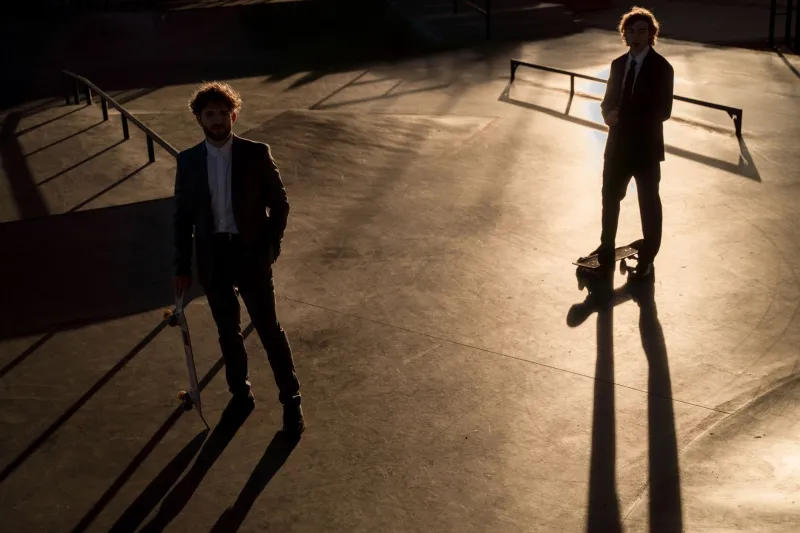
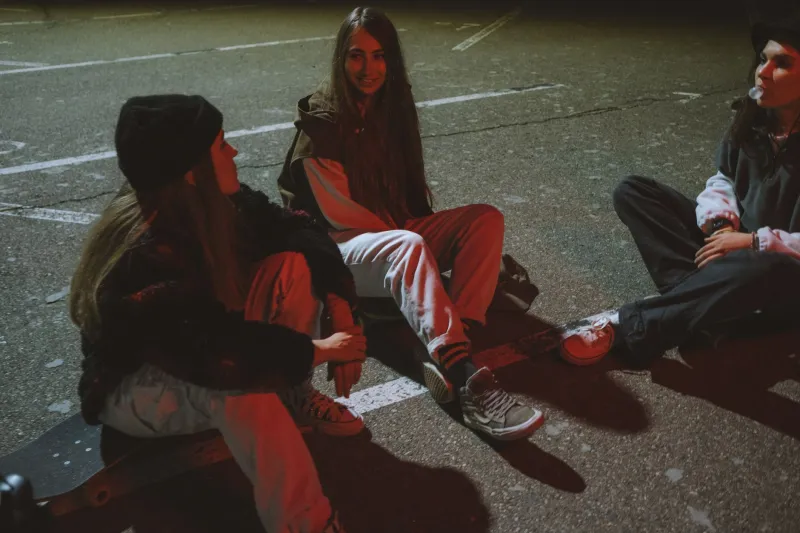
Nobody talks about the Tuesday sessions. The ones with no cameras rolling, no audience, and no particular reason to even show up. You just went. Maybe the forecast looked halfway decent, or your buddy texted you at noon, or you were bored and the skatepark was on the way home. You showed up without expectation — and something cracked open.
Every serious action sports athlete has one of these stories. A single session that didn't look like a big deal from the outside but rearranged something fundamental on the inside. Not a highlight reel moment. A quiet earthquake.
The Myth of the Famous Spot
There's a whole industry built around legendary locations. Spots with names that carry weight — Pipeline, Burnside, MACBA. And sure, those places hold real energy. But the honest truth? The sessions that tend to redefine athletes' trajectories rarely happen at the iconic spots plastered across magazine covers.
They happen at a crumbling ledge behind a strip mall in suburban Ohio. At a beach break so mediocre that the locals barely bother. At a half-drained ditch that someone's older brother mentioned once, years ago, and you finally tracked down on a slow Saturday.
The spot itself is almost never the point. What matters is the specific collision of conditions, headspace, and timing that turns an ordinary location into a personal landmark.
When the Trick Unlocks the Door
Ask any skater about the moment their approach fundamentally changed, and there's a decent chance it traces back to landing one specific trick — not because the trick itself was so significant, but because of what it proved was possible.
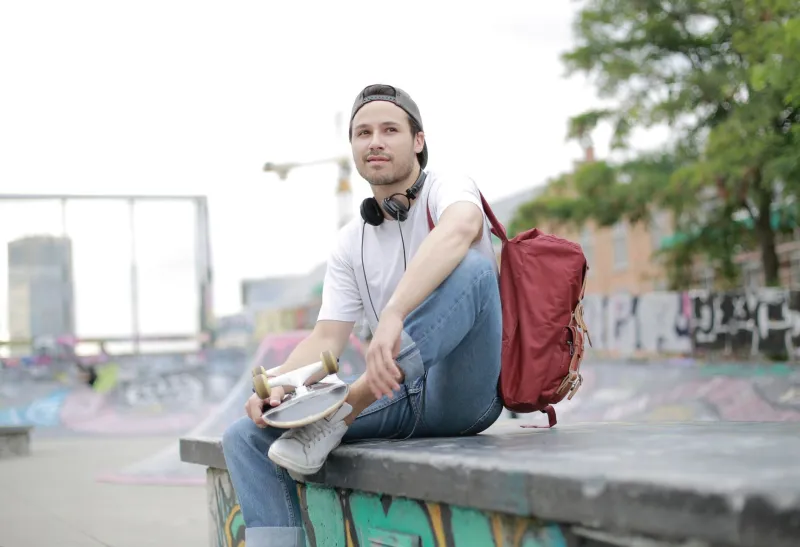
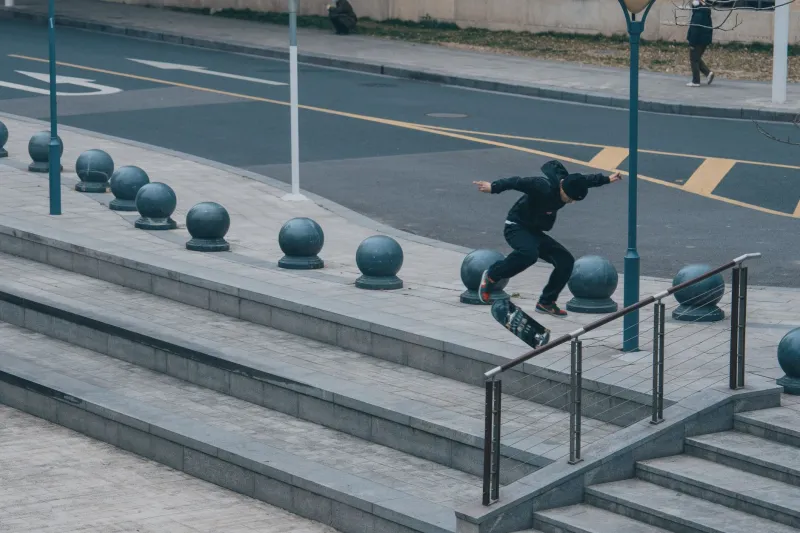
Take Marcus, a 24-year-old skater from Phoenix who spent two years grinding through the basics before a session at his neighborhood park shifted his entire frame of reference. He'd been trying backside 180 nosegrinds for months. Inconsistent, frustrating, the kind of trick that makes you question your life choices at 9 p.m. on a Wednesday.
"Then one afternoon I just stopped thinking about it," he says. "I was tired, I wasn't really trying to film anything. I rolled up and just did it. Then did it again. Then started linking it with other stuff I'd never connected before. It wasn't even about that trick anymore — it was like a whole language suddenly made sense."
That's the thing about breakthrough sessions. They're rarely about the specific move. They're about the cognitive shift underneath it. Once your body proves it can do the thing you thought was out of reach, your entire map of what's possible gets redrawn.
The Right Person at the Right Time
Sometimes the session itself is secondary to who shows up for it.
Jordan, a 28-year-old surfer from the Outer Banks, spent her early years surfing the same stretch of beach with the same group of friends, developing solid but predictable habits. Then one fall morning, a woman she'd never met paddled out during a particularly punchy swell. Older, clearly experienced, surfing with a kind of relaxed aggression that Jordan hadn't seen up close before.
"She wasn't doing anything crazy by objective standards," Jordan recalls. "But the way she was reading the wave — she was committing to sections I would've backed off. I just sat out there and watched between sets. And then I started trying to do what she was doing."
They surfed for two hours. Never exchanged more than a few words. But Jordan drove home different. She'd absorbed a new approach to wave selection, to commitment, to the relationship between patience and aggression in the water. She never saw that woman again. Doesn't even know her name. Didn't matter.
Those chance encounters are their own category of transformative session. The stranger who surfs or skates in a way that expands your visual vocabulary without saying a single instructional word.
Conditions You Didn't Expect to Handle
Then there are the sessions where the environment itself is the teacher — usually because it's throwing something at you that you weren't prepared for and you handle it anyway.
Devin, a 31-year-old snowboarder from Colorado who also surfs whenever he gets the chance, talks about a dawn patrol at a beach in Northern California where the surf was legitimately bigger than anything he'd ridden before. He almost didn't paddle out. Sat on the beach for twenty minutes talking himself into it.
"I was scared," he says, no hesitation. "Like genuinely unsettled. But I went out, caught a few waves, got worked on a few more, and made it back to the beach in one piece. Nothing about my technical surfing changed that day. But my relationship to fear in the water changed completely. After that, I started pushing myself in snowboarding differently too, because I'd learned something about what I could actually tolerate."
That cross-sport transfer is something athletes across disciplines describe — a lesson absorbed in one context that bleeds into everything else. The session becomes a reference point your nervous system keeps returning to when things get uncomfortable.
Why These Moments Become Origin Stories
The interesting psychological layer here is how these sessions get preserved in memory. They become origin stories — the kind athletes tell at bonfires, in parking lots, on long drives to the next spot. The narrative hardens over time, gains detail, gets slightly mythologized. And that's not a bad thing.
Those stories serve a function. When you're in a rough patch — a plateau, an injury, a stretch where nothing feels right — the origin story is something to reach back to. Evidence that a single session can change the whole trajectory. Proof that the next random Tuesday could be the one.
It's also why so many athletes are almost superstitious about showing up consistently, even when conditions are mediocre and motivation is low. You can't engineer the transformative session. You can only make yourself available for it.
Show Up and Find Out
If there's a takeaway from all of this, it's pretty simple: the sessions that matter most rarely announce themselves in advance. They don't come with a forecast or a hype reel. They show up quietly, disguised as just another afternoon.
The athletes who accumulate the most of these moments aren't necessarily the most talented. They're the ones who keep showing up to unremarkable spots on unremarkable days with enough openness to let something unexpected happen.
So yeah — check the forecast, text your crew, drive to the spot. Even if conditions look average. Even if you're tired. Even if there's no particular reason to think today is special.
Because sometimes that's exactly when everything changes.