When the Board Stops Moving: The Identity Crisis No One Warns Action Sports Athletes About
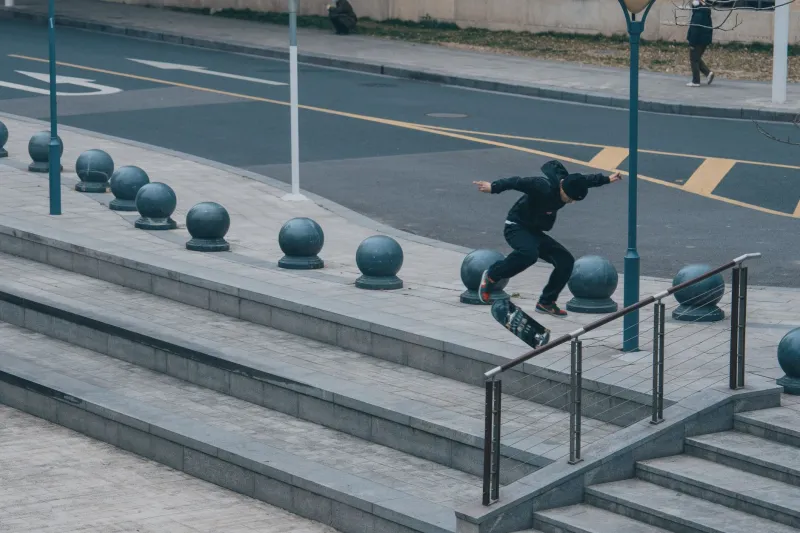
There's a version of the story everyone knows. The skater who lands a gnarly trick after years of trying. The surfer who catches the wave of their life at a contest and raises both fists to the sky. That moment gets filmed, shared, replayed. It becomes part of who they are.
But nobody films what happens three years later, when a blown-out knee or a string of bad contests or just plain burnout forces that same athlete to pump the brakes. Nobody documents the mornings when they wake up and don't quite know what to do with themselves. That part of the story? It doesn't get nearly enough airtime.
And it should. Because for a whole lot of action sports athletes across the US, stepping back from competition doesn't feel like retirement. It feels like losing a limb.
More Than a Sport, It's a Self
Here's the thing about skateboarding, surfing, BMX, snowboarding — pick your poison. These aren't hobbies people pick up on a whim. They're identities that get built slowly, obsessively, over years of early mornings, hard slams, and relentless progression. By the time a competitive athlete is in their prime, the sport isn't just what they do. It's the lens through which they understand themselves.
Sports psychologists call this phenomenon athletic identity, and research consistently shows it runs deeper in action sports than in many traditional team sports. Part of that is the culture itself — skateboarding especially has always blurred the line between sport and lifestyle. You don't just skate on weekends. You watch skate videos, you wear skate brands, you hang with skaters, you think like a skater. The whole thing is woven into your daily existence in a way that's genuinely hard to separate out.
So when competition ends — for whatever reason — athletes aren't just losing a schedule or a paycheck. They're losing a core piece of how they define themselves. That's a heavy thing to carry.
The Injury Door Swings Hard
For many athletes, the exit isn't voluntary. Injuries in action sports are brutal and often cumulative. A torn ACL here, a broken wrist there, a concussion that lingers longer than expected. The body eventually starts sending invoices for all those years of full-send living, and sometimes the bill comes due before the athlete is remotely ready to pay it.
What makes this especially rough is the speed at which it happens. One day you're deep in contest prep. The next, you're lying on a hospital table being told you're looking at six to nine months of recovery — minimum. The competitive window, which was already narrowing, suddenly snaps shut. And you're left sitting there in a waiting room with a brace on your leg and no real roadmap for what comes next.
The depression and anxiety that can follow aren't weakness. They're a completely understandable response to losing something central to your identity overnight. The problem is that action sports culture hasn't always made space for athletes to talk about that openly. The ethos is "get back up and keep going" — which is powerful on a skateboard, but not always the right prescription for a mental health crisis.
The Ones Who Found Their Way
The good news is that plenty of athletes have navigated this transition and come out the other side genuinely stoked on life. The paths they took look different, but there are some common threads worth paying attention to.
Coaching is one of the most natural pivots. Athletes who've spent years developing technical skills and competitive instincts often discover they're incredibly effective at passing that knowledge on. Working with younger skaters or surfers keeps them embedded in the culture they love while giving them a new role and a new sense of purpose. The relationship shifts — from performer to mentor — but the connection to the sport stays alive.
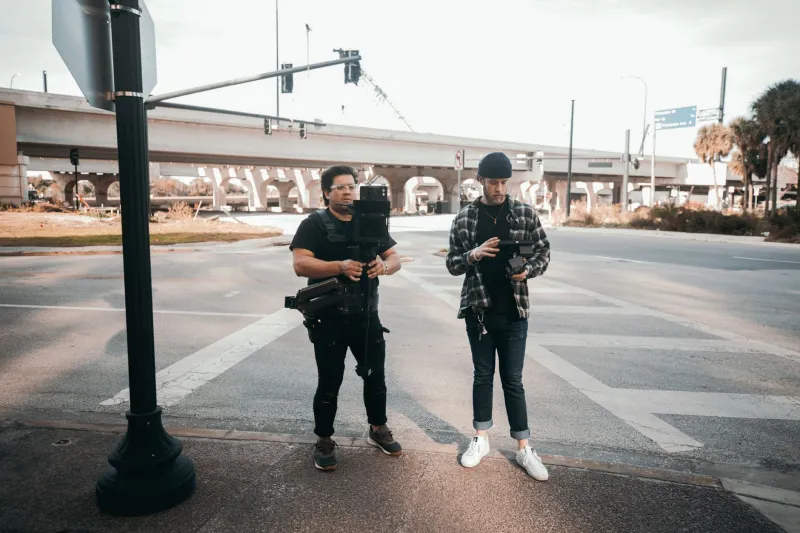
Others have moved into creative lanes. Videography, photography, brand consulting, content creation. The action sports industry needs people who understand the culture from the inside out, and former athletes bring an authenticity that's hard to fake. A guy who spent a decade competing in surf contests knows things about wave selection and crowd psychology that no marketing degree can teach. That knowledge has real value.
Then there are the entrepreneurs. Former skaters and surfers who've channeled their competitive drive into building businesses — shops, brands, events, training facilities. The same obsessive focus that made them elite competitors turns out to be pretty useful when you're trying to build something from scratch. The arena changes. The intensity doesn't.
Staying Connected Without Competing
One of the most important realizations for athletes in transition is that staying connected to the culture doesn't require staying on the podium. The sport existed before them and will exist long after. There are a thousand ways to be part of it.
Showing up at local spots to session with friends, even casually. Mentoring kids who are just figuring out how to push. Attending events as a spectator and letting yourself just enjoy the spectacle without the pressure of performing. Writing. Talking. Sharing stories. All of it counts. All of it keeps the thread alive.
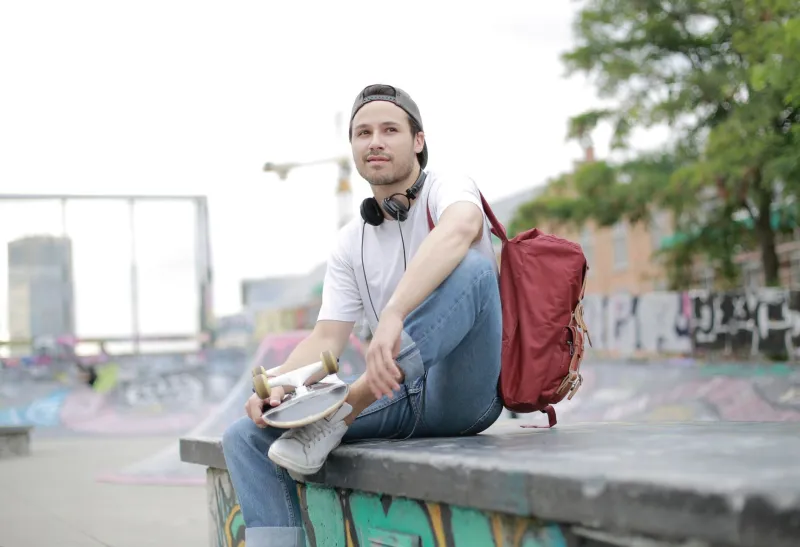
Some athletes find that removing the competitive pressure actually deepens their relationship with the sport. When you're not chasing results or managing sponsor expectations, you can just ride for the pure joy of it. That's where most of these athletes started — some kid in a driveway or a parking lot, not thinking about anything except how good it felt to move. Getting back to that place can be genuinely healing.
The Conversation We Need to Have
The action sports world has gotten better at talking about mental health in recent years, but the specific challenge of athlete transition still doesn't get enough attention. There's no formal off-ramp, no standard support system, no playbook. Most athletes figure it out by trial and error, often after some genuinely dark stretches.
That needs to change. Organizations, sponsors, and communities all have a role to play in building better support structures for athletes who are stepping back from competition. Not because they've failed — but because they gave everything they had to something they loved, and they deserve a thoughtful landing.
The stoke doesn't have to end when the competing does. But getting from one to the other isn't always easy, and pretending otherwise doesn't help anyone.
If you've been through this — or if you're going through it right now — know that you're not alone, and the path forward is real. It just might look different than anything you planned.